Problematic Waste Initiatives
Circular North's problematic waste initiatives provide free, convenient options for northern Tasmanian households to safely dispose of items that cannot go in kerbside bins, helping councils recover more materials and reduce environmental harm.
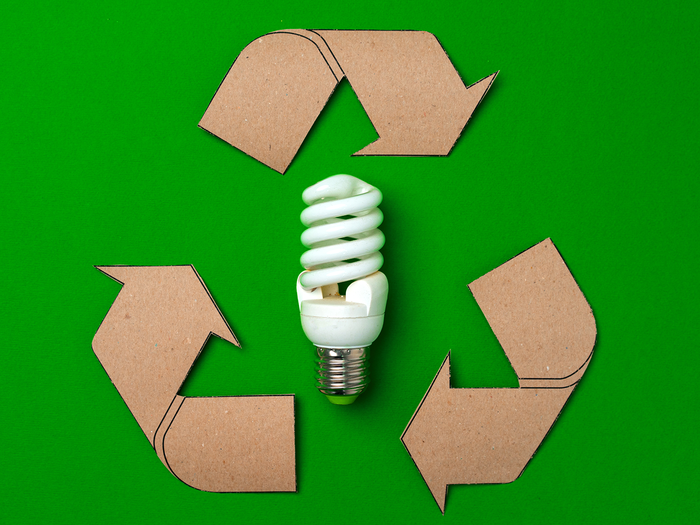
Fluorescent globes are an example of problematic waste because they contain small but significant amounts of mercury, a toxic heavy metal, and therefore require special disposal.
Background
Background
Problematic waste refers to items that cannot be efficiently, economically or safely managed through standard kerbside services and may pose risks to human health or the environment if not handled correctly. This includes materials such as household batteries, paint (in tins), fluorescent tubes and globes, and expanded polystyrene, which require dedicated recovery pathways in northern Tasmania.
Circular North funds and delivers a suite of problematic waste initiatives that support councils across the region to provide these specialist drop-off and recycling services. This includes arranging and managing contracts for national product stewardship programs for batteries and paint, so councils and residents can access trusted, low‑impact recycling pathways.
The goal is to facilitate the proper disposal and recycling of problematic materials while increasing diversion from landfill as part of Circular North’s broader move towards a more circular economy.
Collection details
Collection details
Circular North supports the ongoing collection of select types of problematic waste from transfer stations across northern Tasmania, including at Beaconsfield, Deloraine, Exeter, George Town, Longford, Scamander, Scottsdale, St Helens, Whitemark, and the Launceston Waste Centre.
The following items can be dropped off, during opening hours at participating sites, with no disposal fee:
- household and car batteries
- fluoro tubes and light globes
- leftover paint in tins
- e‑waste
- polystyrene
- X‑ray film
- motor oil (call ahead to confirm with your local site)
Circular North has previously provided grants to help councils invest in the infrastructure needed to safely collect and process these problematic waste streams and will continue to support improvements over time.
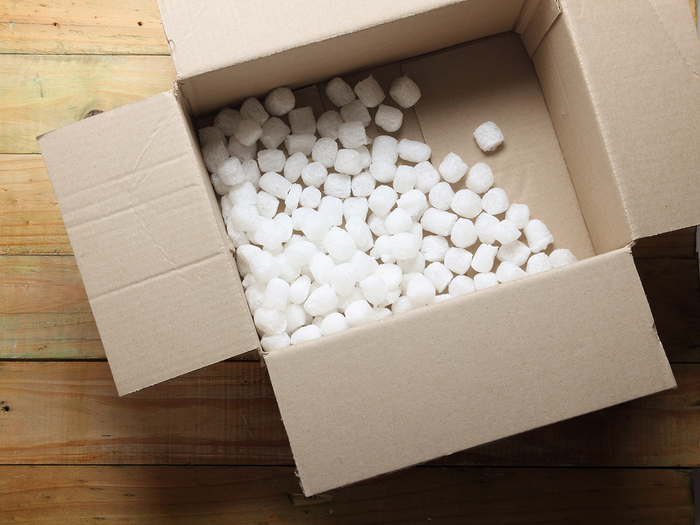
Expanded polystyrene (EPS) is considered problematic waste because it is non-biodegradable, takes up significant landfill space, and is difficult to recycle in its expanded state.
Problematic waste initiatives in northern Tasmania
Problematic waste initiatives in northern Tasmania
Circular North is currently supporting councils to manage the key problematic waste streams below. In addition, X ray films are collected by Ecocycle for recycling and used motor oil is managed through specialist collection contractors. Circular North continues to investigate viable options for soft plastics recycling.
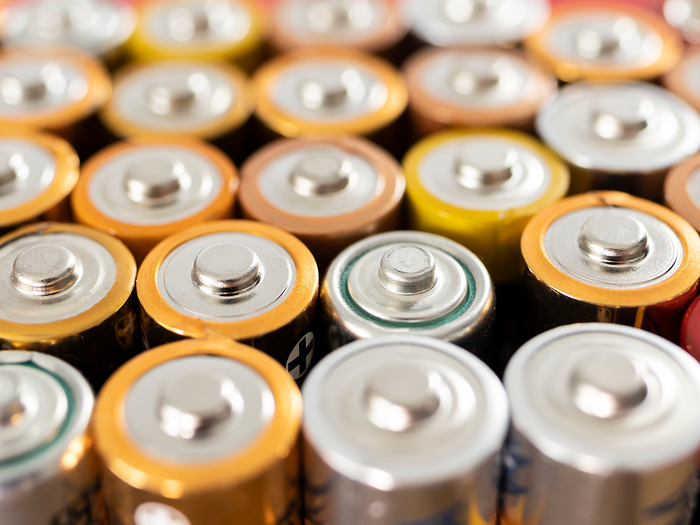
In FY24, five tonnes of household batteries were diverted from landfill through Circular North’s support.
Household batteries
Household batteries
Most batteries contain hazardous materials like lead, cadmium, and mercury which can poison people and animals, and contaminate soils and water - staying in the environment for a very long time. If recycled, 95 per cent of the components of a battery can be turned into new batteries or used in other industries.
Household batteries also pose a fire risk and, in northern Tasmania, have been responsible for causing fires in kerbside bins and at the receiving materials recovery facility (MRF).
Circular North supplies battery stillages to participating councils for collection of household batteries. Ecobatt (a subsidiary of EcoCycle) then provide a processing and recycling service at Campbellfield in Victoria, using custom designed monitoring software and robotic handling equipment to recover metals like copper, aluminium and steel. Many of the recovered metals from batteries are used as raw material inputs for the Recycal Group's Castings Tasmania manufacturing business.
Fluorescent tubes and globes
Fluorescent tubes and globes
Fluorescent tubes and globes (fluros) are considered problematic waste primarily because they contain mercury, a toxic heavy metal that poses significant environmental and health risks if improperly disposed of. When these lights are sent to landfill, mercury can leak into the environment, contaminating air, soil, and waterways. This can lead to the formation of methylmercury, a highly toxic compound that bioaccumulates in the food chain, particularly in aquatic systems.
Australian landfills receive millions of discarded fluorescent lights annually, despite them containing recyclable components, such as glass, aluminium, and phosphor. Recycling these materials not only prevents mercury pollution, it conserves valuable resources as well.
Processing and recycling of fluros on behalf of Circular North is undertaker by Ecocycle, who undertake collections from 10 sites across northern Tasmania.
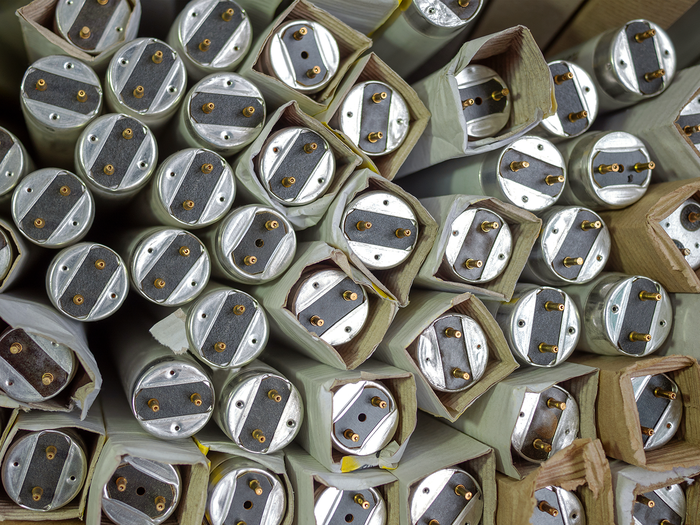
In FY24, EcoCycle processed 3.2 tonnes of fluorescent lights from northern Tasmania.
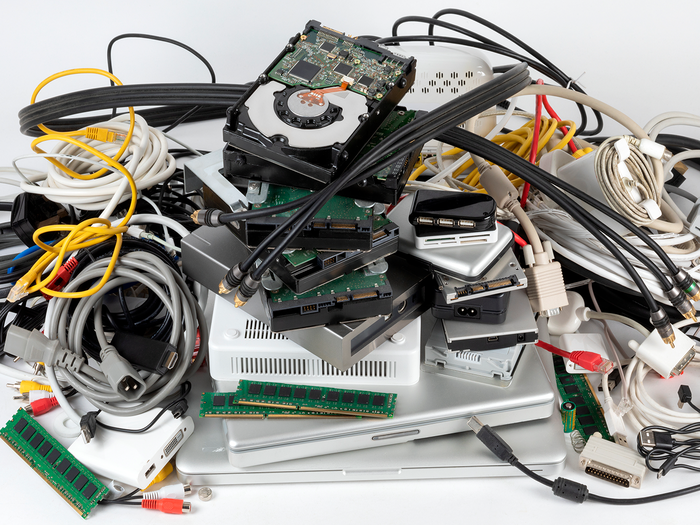
In FY25 more than 45 tonnes of e-waste was safely disposed of through the seven participating sites in the northern region, while on Flinders Island 950 kg of e-waste was collected over the same period.
Electronic waste (E-waste)
Electronic waste (E-waste)
E-waste such as computers, printers and televisions can contain arsenic and other toxic chemicals that can pollute soil and water, and disrupt ecosystems. E-waste is growing at three times the rate of any other waste stream, highlighting the urgency to improve accessibility and awareness of recycling options.
E-waste that falls under the National Television and Computer Recycling Scheme is collected on behalf of Circular North by City Mission at seven sites across northern Tasmania and distributed to the Launceston Waste Centre. A collection point is also located at the Whitemark Waste Transfer Station on Flinders Island. Once at the Launceston Waste Centre, northern Tasmania's e-waste is collected by TechCollect who transport it to Victoria for processing.
TechCollect’s recycling partners dismantle, shred and sort electronic devices into various parts and materials including glass, metals, plastics, batteries, printed circuit boards, and ink cartridges and toners. These materials and parts are then sent to specialist facilities to undergo further processing.
Paint and paint tins
Paint and paint tins
Liquid paint contains chemicals and solvents that can leach from bins and landfill into soil and groundwater if not disposed correctly. Alternatively, if tins are crushed in a truck, paint can spill or mix with other wastes, creating fire, explosion or toxic fumes risks. In addition, if crushed in a recycling truck the entire load of recyclable materials becomes contaminated and must be sent to landfill.
Unused paint is collected at seven sites across northern Tasmania and transported to Victoria for specialised processing through the Paintback program.
When households and tradies drop off leftover paint in tins at a Paintback site, materials are stored safely until they are transported to treatment facilities.
Solvent-based paint is recovered and used as an alternative fuel in high‑temperature industrial processes, while water is separated from water-based acrylic paint for reuse in industrial applications and the remaining by‑product is used in composting and similar processes.
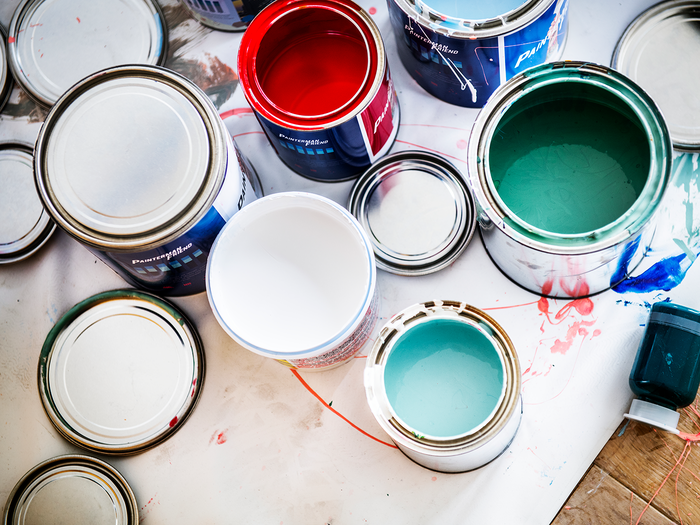
In FY25, Paintback processed 63.2 tonnes of paint from northern Tasmania.
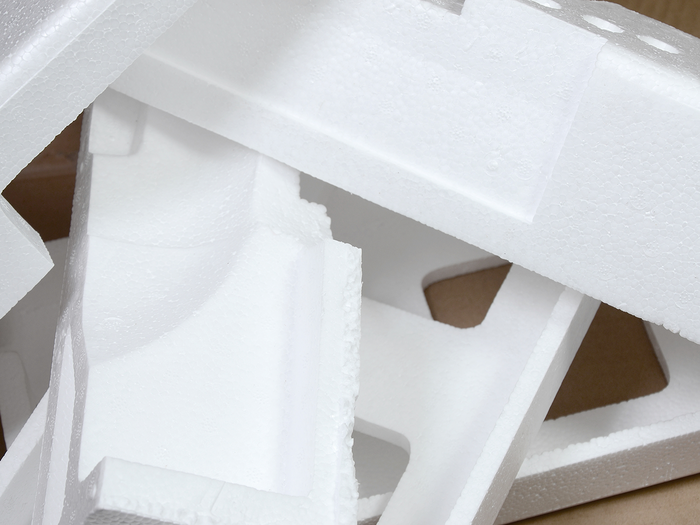
A total of 8.8 tonnes of EPS was processed from northern Tasmania in FY25.
Expanded polystyrene (EPS)
Expanded polystyrene (EPS)
Expanded polystyrene (EPS) is a lightweight, rigid foam material made from polystyrene beads expanded with air. It is widely used in packaging, construction, and insulation due to its excellent thermal properties, durability, and low cost. However, EPS is considered problematic waste because it is non-biodegradable, takes up significant landfill space, and is difficult to transport in its expanded state due to its low density, which can sometimes make processing uneconomical.
EPS can also release harmful chemicals and microplastics into the environment when it breaks down, which poses a risk to wildlife and ecosystems.
EPS is easy to recycle through dedicated processing programs, and the material itself is 100% recyclable in its original form when it is clean, dry, and free from contamination. It can be granulated and recycled for use as feedstock for manufacturing of a wide range of products from everyday goods such as outdoor furniture to construction materials. For example, Polyfoam’s manufacturing facility in Westbury processes EPS to create new products like insulation and boxes for fruit, vegetable, seafood and medical transport
In northern Tasmania, Circular North is working with regional partners to maintain collection of EPS while exploring updated processing and recycling options that better support long-term, circular-economy outcomes for the region. This includes assessing new equipment, partnerships and funding pathways to ensure future solutions are both environmentally responsible and economically viable, with further details to be shared as projects are confirmed.
Blister packs
Blister packs
Medicine blister packs are made from a combination of materials like plastic and aluminium making them unrecyclable through household kerbside recycling. Every year, hundreds of millions of blister packs end up in landfill or in kerbside recycling where they contaminate other materials. Pharmacycle uses specialised technology to process empty blister packs to ensure they are recycled appropriately.
Once collected, packs are sent to a dedicated facility in Sydney where they are weighed, visually checked and any contamination such as leftover medicines or cardboard is removed and managed safely. After shredding and grinding, the empty packs undergo air-density separation followed by electrostatic separation into aluminum and plastic, which are then supplied to manufacturers as valuable raw materials for new products.
Circular North has joined the Pharmacyle program and supports a number of local drop‑off points across northern Tasmania, including at the Launceston Waste Centre and West Tamar Council's Eden Street office. The locations of other drop-off points across Tasmania can be found on the Pharmacycle website.
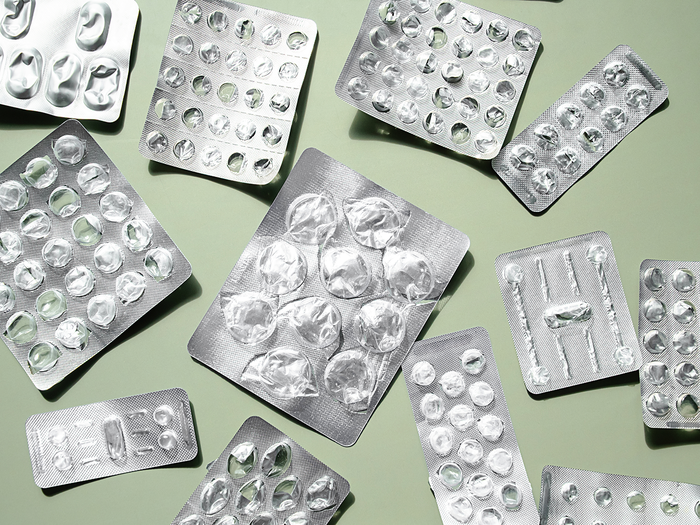
Based in Australia, Pharmacycle is a voluntary recycling program, funded by participating pharmacies, industry sponsors and government organisations.
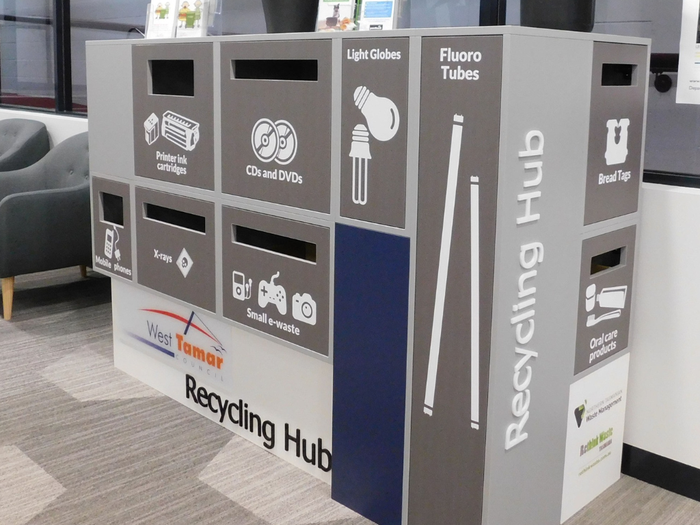
Circular North (as the Northern Tasmanian Waste Management Group) supported the creation of this recycling hub at the West Tamar Council office in Riverside.
Recycling hubs
Recycling hubs
A recycling hub is a designated location where individuals can drop off various types of waste that are not typically accepted in standard kerbside recycling bins. The hubs help communities reduce landfill waste by providing specialised collection services for items that are difficult to recycle.
Operators of recycling hubs work with specialised recycling programs and organisations to ensure collected materials are properly processed and reused. The hubs feature organised compartments for sorting specific types of waste, making it easier for items to be disposed of.
Circular North has been a long-term funding supporter of recycling hubs across northern Tasmania. In 2025, Circular North subsidised the construction of an additional 11 hubs for distribution among councils and community centres. Visit the Recycling Hubs page for more information.
Partners
Circular North is supported by the Tasmanian Waste and Resource Recovery Board, which is funded by the Tasmanian Government.




Partners
Circular North is supported by the Tasmanian Waste and Resource Recovery Board, which is funded by the Tasmanian Government.